
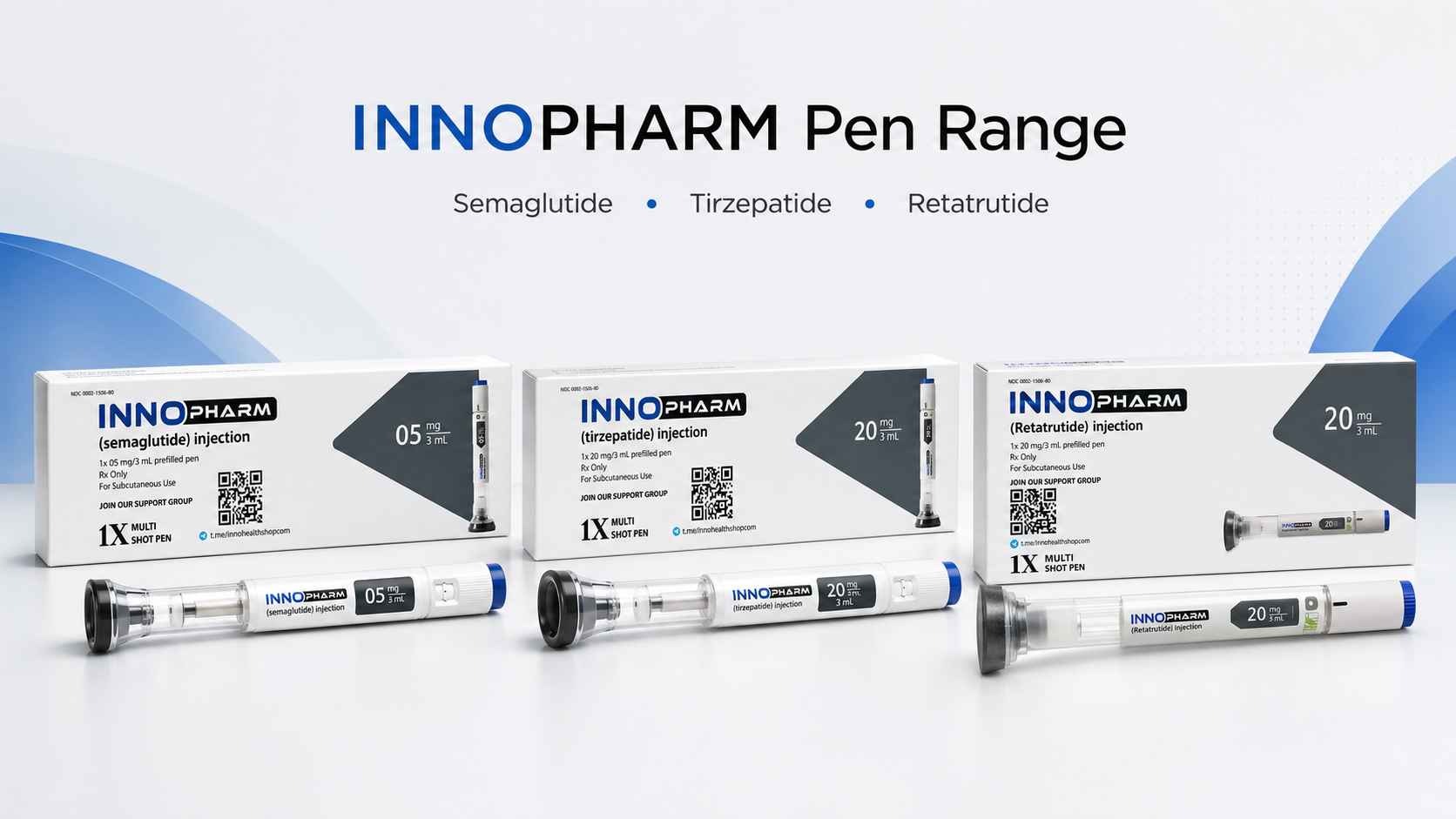
Retatrutide vs Mounjaro: Why the “Triple G” is the Future of Research
In the rapidly evolving world of metabolic science, staying ahead means looking beyond what is currently popular. While Ozempic and Mounjaro have dominated headlines for years, a new powerhouse has emerged in clinical trials: Retatrutide.
Comparing Retatrutide vs Mounjaro isn’t just about finding a newer version of the same drug. It represents a fundamental shift from dual-action therapy to a “triple agonist” approach. As we move through 2026, researchers are identifying this compound as the true next generation GLP-1 technology, capable of breaking weight loss plateaus that were previously thought to be permanent.
The Glucagon Factor: Why Three Receptors are Better Than Two
The most significant difference in Retatrutide vs Mounjaro lies in the number of metabolic pathways activated. While Mounjaro (Tirzepatide) targets GLP-1 and GIP, Retatrutide adds a third pillar: the Glucagon receptor.
How the Triple Agonist functions:
- GLP-1: Reduces “food noise” and slows gastric emptying for prolonged fullness.
- GIP: Stabilizes insulin response and improves how the body stores fat.
- Glucagon: Increases resting energy expenditure (burning more calories while sitting still).
When you buy Retatrutide peptide for research, you are studying a molecule that doesn’t just lower intake—it actively forces the body to mobilize and burn stored adipose tissue through increased thermogenesis.
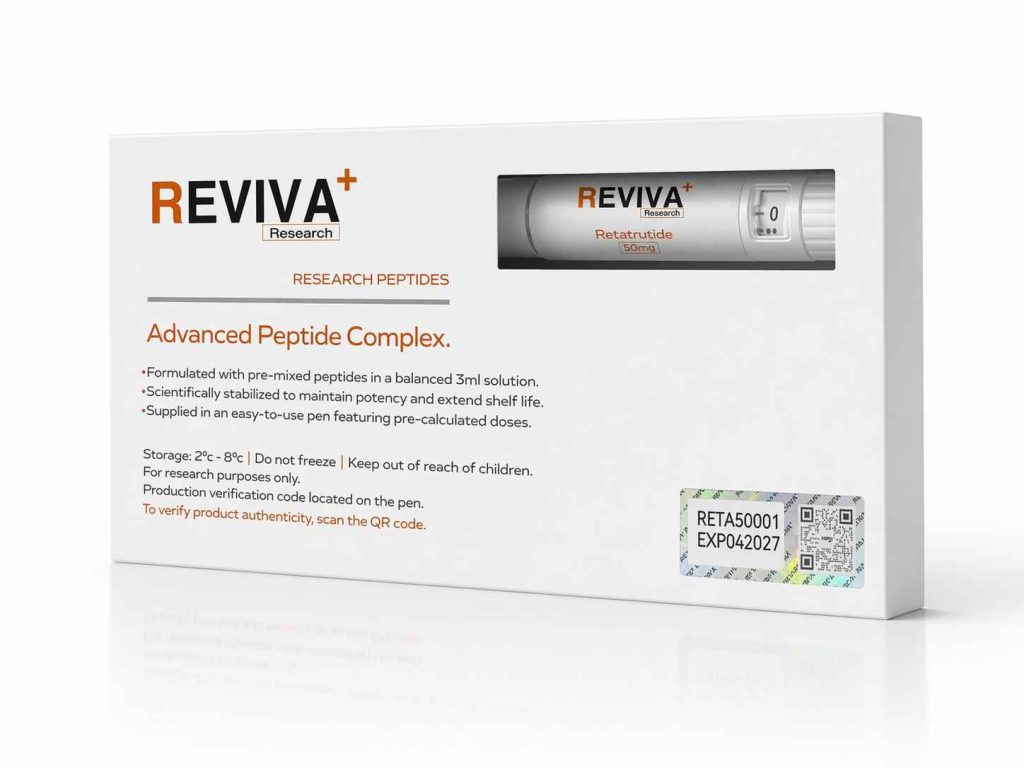
Analyzing Retatrutide Weight Loss Results
Data from 2025 and early 2026 trials have set a new benchmark for pharmacological weight management. In Phase 2 and ongoing Phase 3 TRIUMPH trials, Retatrutide weight loss results showed an average body weight reduction of up to 24.2% at 48 weeks.
In comparison, Mounjaro typically yields around 21% loss over a longer 72-week period. This suggests that Retatrutide is not only more potent but potentially faster-acting due to its effect on mitochondrial energy expenditure. For researchers, this 3-4% difference represents a massive leap in helping subjects reach “normal” BMI ranges more effectively.
| Metric | Mounjaro | Retatrutide |
|---|---|---|
| Primary Receptors | GLP-1 / GIP | GLP-1 / GIP / Glucagon |
| Avg Weight Loss | ~21% (72 weeks) | ~24% (48 weeks) |
The “Liver Cure”? A New Frontier in MASLD Research
Perhaps the most shocking data point in the Retatrutide vs Mounjaro debate isn’t the weight loss—it’s the liver health. In recent triple agonist peptide research, Retatrutide showed an 86% reduction in liver fat at the 12mg dose. Even more impressive, nearly 90% of participants achieved “normal” liver fat levels within 48 weeks.
This makes Retatrutide a primary subject for studies involving MASLD (Metabolic Dysfunction-Associated Steatotic Liver Disease). While Mounjaro also improves liver markers, the glucagon-driven lipid mobilization in Retatrutide appears to “clear” the liver at a rate never seen before in non-surgical interventions.
Beyond Appetite: The Science of Mitochondrial Burning
The defining factor in the Retatrutide vs Mounjaro debate is how the body handles energy expenditure. Older GLP-1 medications primarily work by making you eat less. Retatrutide, however, introduces the glucagon receptor agonist, which acts like a “metabolic thermostat”.
Glucagon is traditionally known for raising blood sugar, but when balanced with GLP-1 and GIP, it performs a different role: it stimulates the liver to burn fat and increases the body’s resting metabolic rate. This means that while Mounjaro focuses on “input” (eating less), Retatrutide focuses on both “input” and “output” (burning more).
Unprecedented Liver Fat Reduction
In 2026, the scientific community is most impressed by Retatrutide’s impact on liver health. Data from 48-week sub-studies revealed an 86% reduction in liver fat at the 12mg dose. Even more staggering, 93% of participants on the highest dose achieved completely “normal” liver fat levels—a feat previously thought impossible without drastic surgical intervention.
Research Note: This “liver-clearing” effect is a direct result of glucagon signaling, which promotes fatty acid oxidation. This makes the Retatrutide 20mg Pen a critical subject for researchers studying MASLD (Metabolic Dysfunction-Associated Steatotic Liver Disease).
Managing the Research: Side Effects and Safety
With great potency comes the need for careful study. The safety profile of Retatrutide is largely similar to other incretin mimetics, with gastrointestinal effects like nausea and diarrhea being the most reported. However, because it activates the glucagon receptor, researchers also monitor for slight increases in heart rate during the initial 24 weeks of study.
To minimize these effects in a lab setting, a “start low, go slow” escalation protocol is used, typically starting at 2mg and gradually increasing to the 12mg “sweet spot” over several months.
The Final Verdict for 2026
As we continue into 2026, the shift from single-hormone peptides (Ozempic) to dual-hormone (Mounjaro) and now triple-hormone (Retatrutide) is clear. Retatrutide offers a more comprehensive metabolic reboot by addressing appetite, insulin, and energy burn in one single molecule.
Ready to see the data for yourself? Join our community on social media for real-time lab updates and peer-reviewed breakdowns.
Want to see our latest lab results? Check out this breakdown on our Instagram.
Products by Category


Popular
-
 Tesamorelin 10mg/3ml Pre-Filled Injection Pen – PeptideTech
£120.00
Tesamorelin 10mg/3ml Pre-Filled Injection Pen – PeptideTech
£120.00
-
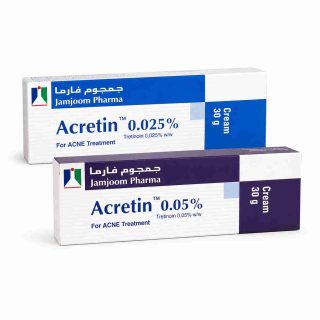 Acretin Tretinoin Cream – Professional Acne & Anti-Ageing Treatment (0.025% & 0.05%)
Price range: £20.00 through £25.00
Acretin Tretinoin Cream – Professional Acne & Anti-Ageing Treatment (0.025% & 0.05%)
Price range: £20.00 through £25.00
-
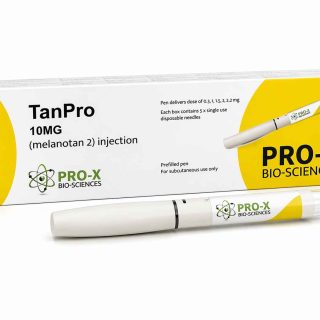 PRO-X Bio-Sciences TanPro (Melanotan 2 10mg Pen)
Price range: £60.00 through £480.00
PRO-X Bio-Sciences TanPro (Melanotan 2 10mg Pen)
Price range: £60.00 through £480.00
-
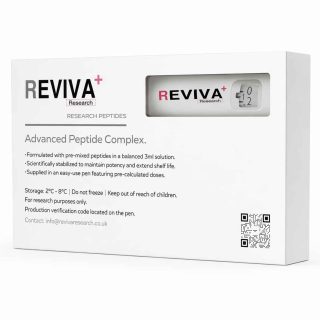
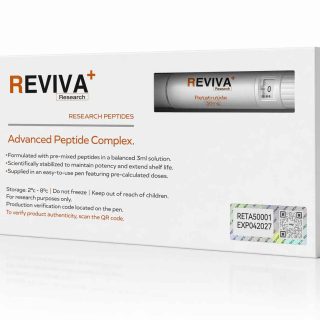 Reviva Research Retatrutide 50mg Pen
£270.00
Reviva Research Retatrutide 50mg Pen
£270.00
-
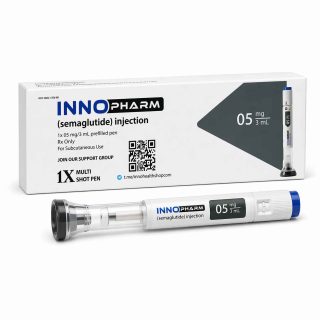 Inno Pharm Semaglutide 5mg Pen
£105.00
Inno Pharm Semaglutide 5mg Pen
£105.00




Leave a Reply