
Elite BioScience Supplement Guide
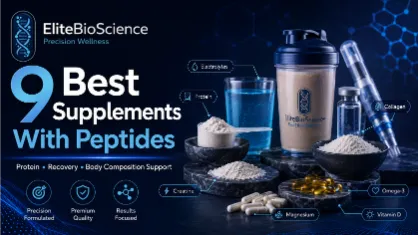
9 Best Supplements With Peptides: Powerful Support Guide
Choosing the right supplements with peptides is not about throwing every capsule, powder and tablet into your routine. The smarter approach is to match the supplement to the goal: protein for muscle retention, creatine for training support, electrolytes for hydration, fibre for digestion, and collagen, vitamin C and omega-3 for recovery-focused nutrition.
Peptides get most of the attention, but the basics around them often decide how good the overall result feels. Food quality, protein intake, hydration, sleep, training and recovery all matter. This is why a good supplement plan should support the same goal as the peptide category being researched, rather than pretending a supplement can magically do the work by itself.
This guide breaks down the best supplements with peptides by goal. We will look at body composition, GLP-1 style nutrition support, recovery, connective tissue, skin-focused research, daily wellness and simple supplement stacks that are easier to follow in real life.
The main point is simple: supplements should support the foundation. They do not replace protein-rich meals, proper hydration, resistance training, sleep or a sensible diet. If those basics are missing, adding more supplements usually just makes the routine more expensive and harder to stick to.
Quick Answer: What Supplements Work Best With Peptide Research Goals?
- Protein powder helps keep protein intake up when appetite is lower.
- Creatine monohydrate supports training output, strength work and muscle-focused goals.
- Electrolytes support hydration and daily consistency.
- Fibre supports digestion, especially when food intake changes.
- Magnesium fits well with sleep, muscle function and general recovery routines.
- Vitamin D is useful to check rather than guess, especially in people who may be low.
- Omega-3 fits recovery and general wellness goals.
- Collagen and vitamin C fit connective tissue and recovery-focused nutrition.
- Zinc can support general wellness, skin and recovery nutrition, but more is not always better.
Why Supplements With Peptides Need a Goal
The phrase supplements with peptides can mean different things depending on the person. Someone researching GLP-1, GIP and glucagon-related products may care most about protein, digestion and hydration. Someone focused on recovery may care more about collagen, vitamin C, omega-3 and total protein intake. Someone focused on training and body composition may benefit more from protein, creatine and electrolytes.
That is why the best supplement stack is not the biggest stack. The best stack is the one that supports the specific goal. A body recomposition plan, a recovery plan, a GLP-1 style nutrition plan and a skin-focused routine all need slightly different support.
This matters because many people make the same mistake: they buy lots of products without first asking what problem they are solving. A better question is:
What is the peptide goal, and what nutrition or supplement support makes that goal easier to maintain?
Peptide Category Supplement Table
The table below gives a practical overview of supplements with peptides by category. It does not mean every supplement is needed by every person. It simply shows which supplements naturally match each type of research goal.
1. Protein Powder: The Most Useful Supplement With Peptides
Protein is the first place to start. If someone is researching supplements with peptides for body composition, GLP-1 style nutrition, recovery or training, protein intake is usually the base of the whole plan.
Protein powder is not exciting, but it is useful. It can help keep protein intake up when appetite is low, when meals are smaller, or when someone does not want another heavy plate of food. This is especially relevant in GLP-1 style research, where reduced appetite can accidentally mean reduced protein.
Protein supports muscle retention, recovery and satiety. That matters because the goal is rarely just to weigh less. A better goal is better body composition: keeping muscle, supporting training and improving how the body looks and performs.
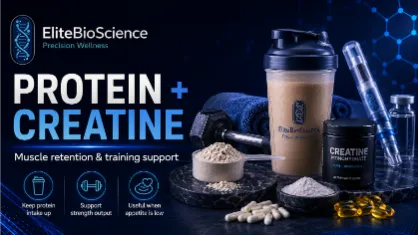
Best protein options
- Whey protein: easy, convenient and usually high in protein per serving.
- Casein protein: thicker and slower digesting, often used in evening routines.
- Plant protein: useful for dairy-free diets, especially blends using pea, rice or soy.
- Ready-to-drink protein: useful when appetite is low or meals are missed.
- Whole-food protein: chicken, eggs, fish, Greek yoghurt, tofu, lean beef and lentils still matter.
For most people, protein powder should be treated as a tool, not the whole diet. A shake can help, but whole foods should still provide most of the nutrition when possible.
2. Creatine Monohydrate: Training Support for Body Composition Goals
Creatine is one of the most popular supplements for strength, training and body composition support. It fits naturally into a guide about supplements with peptides because many peptide categories are researched alongside body composition, recovery or performance goals.
The important point is that creatine does not replace training. It supports the training side. If someone is trying to preserve muscle while body weight changes, resistance training matters. Creatine fits well with that because it is simple, affordable and widely used in strength and performance routines.
Where creatine fits best
- Body recomposition plans
- Strength training routines
- GLP-1 style nutrition support where muscle retention matters
- Recovery-focused training blocks
- People who struggle to keep training intensity up while eating less
Creatine is not a fat-loss supplement. It is a training-support supplement. That difference matters. If someone expects creatine to replace a good diet, protein intake and training routine, they will be disappointed. If they use it as part of a proper plan, it can make a lot more sense.
3. Electrolytes: Hydration Support When Food Intake Changes
Electrolytes are one of the most overlooked supplements with peptides, especially in GLP-1 style research. When appetite drops, people may eat less food, drink less water and consume less sodium, potassium and magnesium from meals. That can affect energy, headaches, training and general day-to-day consistency.
Electrolytes are not exciting, but they are practical. They are especially useful for people who train, sweat a lot, live in hot climates, eat smaller meals or feel flat when food intake drops.

Electrolytes may fit well when:
- Food intake is lower than normal.
- Training sessions feel flat.
- Someone sweats heavily.
- The weather is hot.
- Water intake is inconsistent.
- Low appetite makes regular meals harder.
A good electrolyte product should be simple. It does not need to be loaded with sugar or stimulants. For most people, the goal is hydration support, not a high-caffeine energy drink disguised as a wellness product.
4. Fibre: The Boring Supplement That Becomes Important Fast
Fibre is boring until digestion slows down. Then it becomes one of the most useful parts of the plan. If someone is researching supplements with peptides for GLP-1 style appetite support or body composition, fibre should not be ignored.
When food intake drops, fibre can drop too. That can make digestion feel slower and less comfortable. Fibre can come from food first, but a fibre supplement may be useful when meals are smaller or inconsistent.
Good fibre sources
- Oats
- Berries
- Apples
- Beans and lentils
- Vegetables
- Chia seeds
- Flaxseed
- Psyllium husk
The key with fibre is to build up gradually and drink enough water. Suddenly adding loads of fibre without fluids can make digestion feel worse, not better.
5. Magnesium: Sleep, Muscle Function and Recovery Routine Support
Magnesium is another useful option when discussing supplements with peptides. It is commonly included in sleep, recovery and muscle function routines. It is not a peptide enhancer, but it can support the general recovery environment that people often care about.
Magnesium may fit well for people who train hard, have inconsistent diets or want a simpler evening routine. It also pairs naturally with electrolyte support because magnesium is one of the minerals people often talk about when hydration and muscle function come up.
Common magnesium forms
- Magnesium glycinate: often used in evening routines.
- Magnesium citrate: common, but may be more noticeable on digestion for some people.
- Magnesium malate: often used in general wellness routines.
More is not always better. A sensible supplement routine should be comfortable, repeatable and easy to manage.
6. Vitamin D: Worth Checking, Not Guessing
Vitamin D belongs in a guide about supplements with peptides because it is commonly discussed in wellness, muscle function, immune support and general health routines. But it should be handled properly.
Vitamin D is not something to mega-dose blindly. Some people may be low, some may already be fine, and taking more is not always better. The smarter approach is to check levels when possible and use vitamin D as part of a wider health routine rather than treating it like a quick fix.
Vitamin D fits best with:
- General wellness routines
- Low sunlight exposure
- Body composition support plans
- Recovery-focused nutrition
- People who want to clean up their basic supplement routine
If someone is already taking medication or has health conditions, vitamin D should be treated like any other supplement: useful for the right person, but not something to throw in carelessly.
7. Omega-3: Recovery and Wellness Support
Omega-3 is often included in supplement plans for recovery, heart health and general wellness. It fits well in a supplements with peptides guide because several peptide categories are researched around recovery, body composition or long-term wellness.
Omega-3 can come from oily fish or supplements. Salmon, sardines, mackerel and trout are food sources. Fish oil and algae oil are common supplement options. The best choice depends on diet preference, tolerance and overall routine.
Omega-3 may fit with:
- Recovery-focused routines
- Body composition plans
- Skin and wellness support
- People who do not eat much oily fish
- Connective tissue and general health-focused nutrition
Omega-3 is still a supplement, so it should be used with common sense. People on medication, especially anything that affects bleeding or clotting, should be careful and get proper advice.
8. Collagen and Vitamin C: Recovery and Connective Tissue Support
Collagen and vitamin C are a natural pair in recovery-focused content. They are especially relevant when people are researching supplements with peptides around connective tissue, skin, hair or injury recovery topics.
The correct way to frame collagen is important. It should not be sold as a miracle repair product. A better way to explain it is that collagen and vitamin C support the nutritional side of collagen formation and connective tissue routines. That is a cleaner, more credible angle.
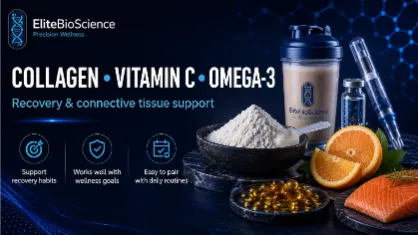
Where collagen and vitamin C fit best
- Recovery-focused peptide research
- Connective tissue support routines
- Skin and hair-focused research content
- Training plans with high joint or tendon demand
- People who struggle to eat enough protein-rich foods
Collagen is not a complete protein in the same way as whey, eggs or meat. It should not replace normal protein intake. It is better viewed as an add-on for a specific support goal.
9. Zinc: Useful, But Do Not Overdo It
Zinc is often mentioned in wellness, immune, skin and hormone-related conversations. It can fit into a guide on supplements with peptides, especially when the goal is general support rather than body composition alone.
Zinc is useful when the diet is poor or intake is low, but it is not a supplement to overuse. Long-term high zinc intake can create imbalance with other minerals such as copper. That is why zinc belongs in a sensible stack, not a reckless one.
Food sources of zinc
- Beef
- Shellfish
- Eggs
- Dairy
- Pumpkin seeds
- Beans and lentils
If someone already eats a varied diet, they may not need much extra zinc. If the diet is restricted, zinc may be worth looking at as part of the bigger picture.
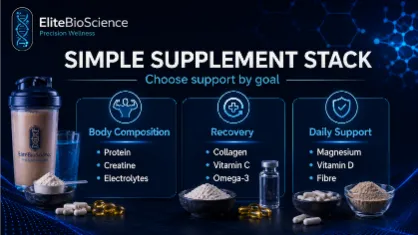
Best Supplement Stack by Goal
The best way to use supplements with peptides is to choose by goal. A recovery-focused routine should not look exactly the same as a GLP-1 nutrition routine. A body composition stack should not look exactly the same as a skin-focused stack.
Simple Supplement Stack Examples
A good stack should be easy to follow. If the supplement plan is too complicated, most people will not stick to it. Here are simple examples of supplements with peptides based on the goal.
Body Composition Stack
Core: Protein powder, creatine, electrolytes
Food focus: High-protein meals, smart carbs, vegetables
Best for: Muscle retention, training output and consistent diet structure
GLP-1 Support Stack
Core: Protein, electrolytes, fibre
Food focus: Smaller meals, lean protein, oats, fruit and water
Best for: Low appetite, hydration and digestion support
Recovery Stack
Core: Collagen, vitamin C, omega-3
Food focus: Protein-rich meals, oily fish, fruit and vegetables
Best for: Recovery routines and connective tissue support
Daily Wellness Stack
Core: Magnesium, vitamin D, omega-3
Food focus: Balanced meals, hydration and sleep routine
Best for: Simple daily support without overloading the routine
What Not to Do With Supplements and Peptides
A guide about supplements with peptides also needs to cover what not to do. More supplements do not automatically mean better results. A bloated stack can make the routine expensive, confusing and harder to maintain.
Avoid these common mistakes
- Buying everything at once: Start with the basics and build only if needed.
- Using supplements instead of food: Protein powder helps, but meals still matter.
- Ignoring hydration: Poor hydration can make everything feel harder.
- Overdoing stimulants: High-caffeine products can make sleep and appetite harder to manage.
- Taking random high-dose vitamins: More is not always better.
- Forgetting training: Supplements cannot replace resistance training for muscle-focused goals.
- Expecting instant changes: Supplements support consistency; they are not magic.
Internal Product Information
Elite BioScience provides research-led product information across GLP-1, GIP and glucagon-related products, body composition categories and recovery research topics. You can explore related product pages below.
Related Elite BioScience Products
Final Thoughts: Keep Supplements With Peptides Simple
The best supplements with peptides are usually the boring ones that support the basics: protein, creatine, electrolytes, fibre, magnesium, vitamin D, omega-3, collagen, vitamin C and zinc. These are not glamorous, but they fit the goals people usually care about: body composition, recovery, hydration, digestion, training and daily consistency.
The smartest approach is not to take everything. The smartest approach is to match the supplement to the goal. If the goal is body composition, start with protein and creatine. If the goal is GLP-1 style appetite support, think protein, electrolytes and fibre. If the goal is recovery, collagen, vitamin C, omega-3 and total protein intake make more sense.
Supplements work best when they support a good routine. Keep meals high in protein, drink enough water, train consistently, sleep properly and use supplements as support rather than shortcuts.
Follow Elite BioScience
For more research-led product education, peptide guides, nutrition content and supplement support posts, follow Elite BioScience on social media.


Popular
-
 Tesamorelin 10mg/3ml Pre-Filled Injection Pen – PeptideTech
£120.00
Tesamorelin 10mg/3ml Pre-Filled Injection Pen – PeptideTech
£120.00
-
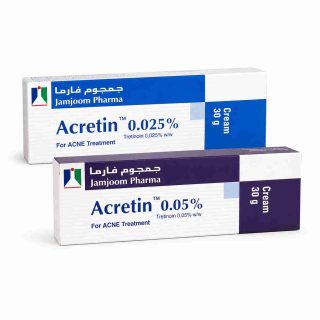 Acretin Tretinoin Cream – Professional Acne & Anti-Ageing Treatment (0.025% & 0.05%)
Price range: £20.00 through £25.00
Acretin Tretinoin Cream – Professional Acne & Anti-Ageing Treatment (0.025% & 0.05%)
Price range: £20.00 through £25.00
-
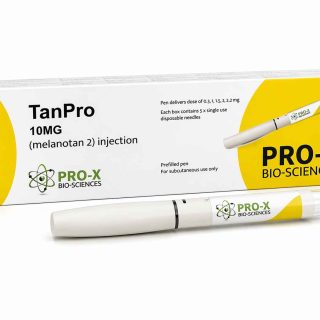 PRO-X Bio-Sciences TanPro (Melanotan 2 10mg Pen)
Price range: £60.00 through £480.00
PRO-X Bio-Sciences TanPro (Melanotan 2 10mg Pen)
Price range: £60.00 through £480.00
-
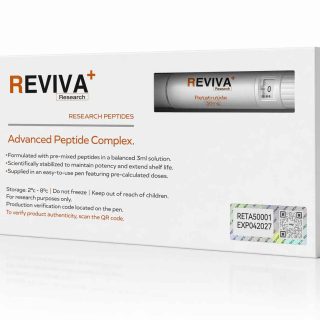 Reviva Research Retatrutide 50mg Pen
£270.00
Reviva Research Retatrutide 50mg Pen
£270.00
-
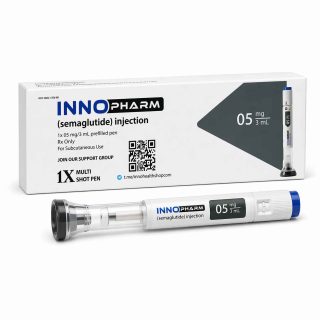 Inno Pharm Semaglutide 5mg Pen
£105.00
Inno Pharm Semaglutide 5mg Pen
£105.00




Leave a Reply