
Tissue Regeneration Peptides: Beyond Anti-Ageing in 2026
In 2026, the research narrative has officially shifted from reactive management to proactive tissue longevity.
The global landscape of bio-regenerative beauty research has undergone a seismic shift. We are moving away from the era of superficial “anti-ageing” and entering the decade of cellular restoration. At the heart of this movement are Tissue Regeneration Peptides.
Unlike traditional topicals that simply sit on the stratum corneum, bio-regenerative ingredients like PDRN (polydeoxyribonucleotide) and exosomes are being studied for their ability to actively rebuild cellular tissue and stimulate natural collagen production from within. In 2026, clinical trials are no longer satisfied with “reduced fine lines”; the gold standard is now measurable increases in dermal thickness and the re-establishment of the Extracellular Matrix (ECM) architecture.
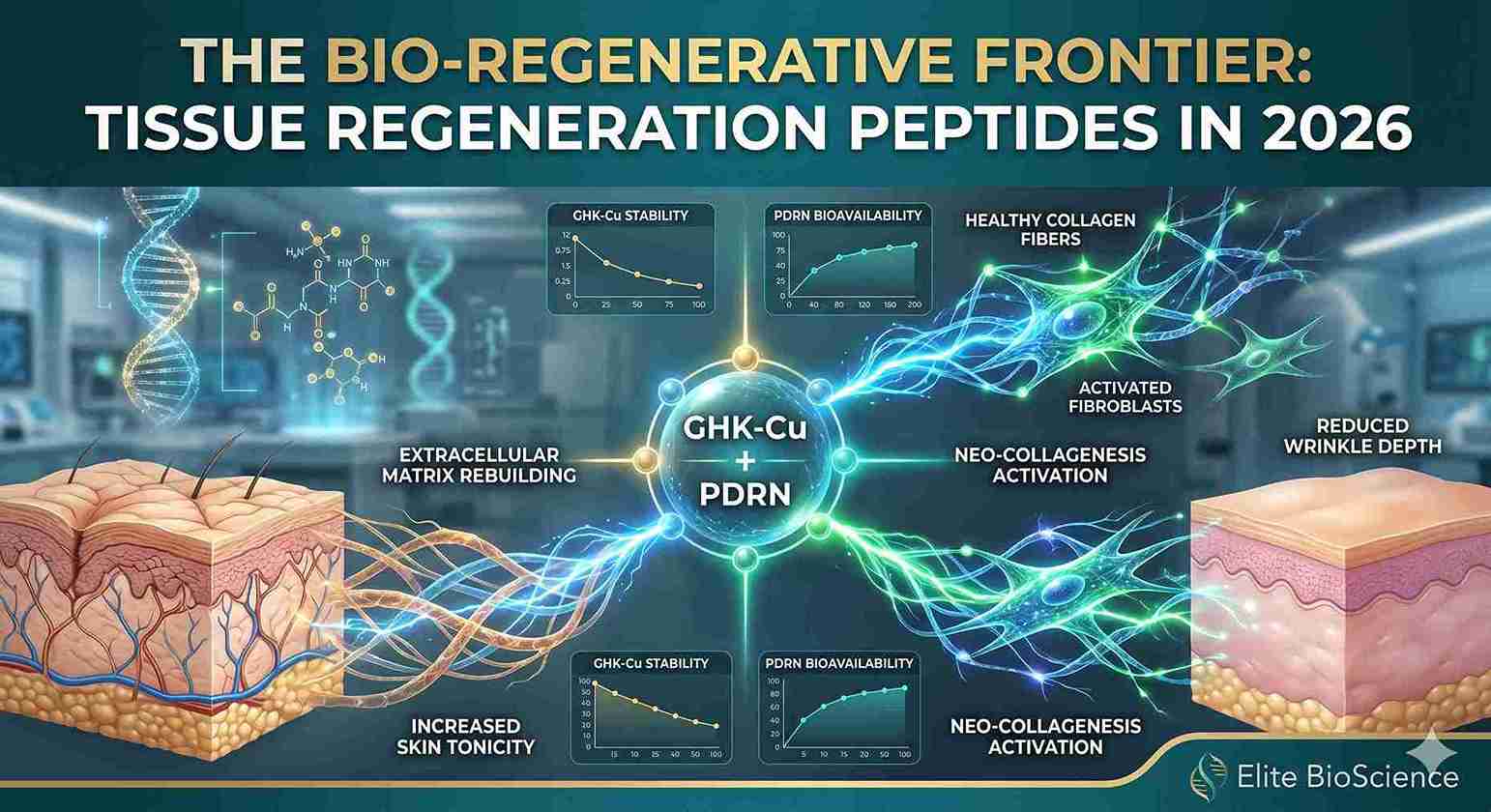
Figure 1: The 2026 Frontier – Synergistic effects of GHK-Cu and PDRN on Skin Tonicity.
PDRN and Collagen Banking: Researching the Extracellular Matrix
Researchers looking to buy PDRN research materials are focusing on its role as a “salvage pathway” for DNA synthesis. PDRN provides the essential nucleotides necessary for rapid cellular repair, which is vital in collagen banking studies 2026 involving skin thickness, tonicity, and the structural reduction of forehead wrinkles.
PDRN works by stimulating the A2A adenosine receptors. This stimulation facilitates a decrease in inflammatory cytokines while promoting the growth of fibroblasts. Fibroblasts are the “engine rooms” of our skin; they are responsible for churning out collagen, elastin, and hyaluronic acid. When we look at NeoHelix Regenerate science, we see a focus on these precise cellular triggers.
Additionally, the concept of “Collagen Banking” has gained significant traction. This involves using bio-identical Collagen III fragments to support the skin’s extracellular matrix before degradation occurs. New precision peptides, such as NeoHelix™ Regenerate, are being showcased in 2026 for their ability to reduce damaged collagen by up to 41% while boosting natural hyaluronic acid levels by 65%.
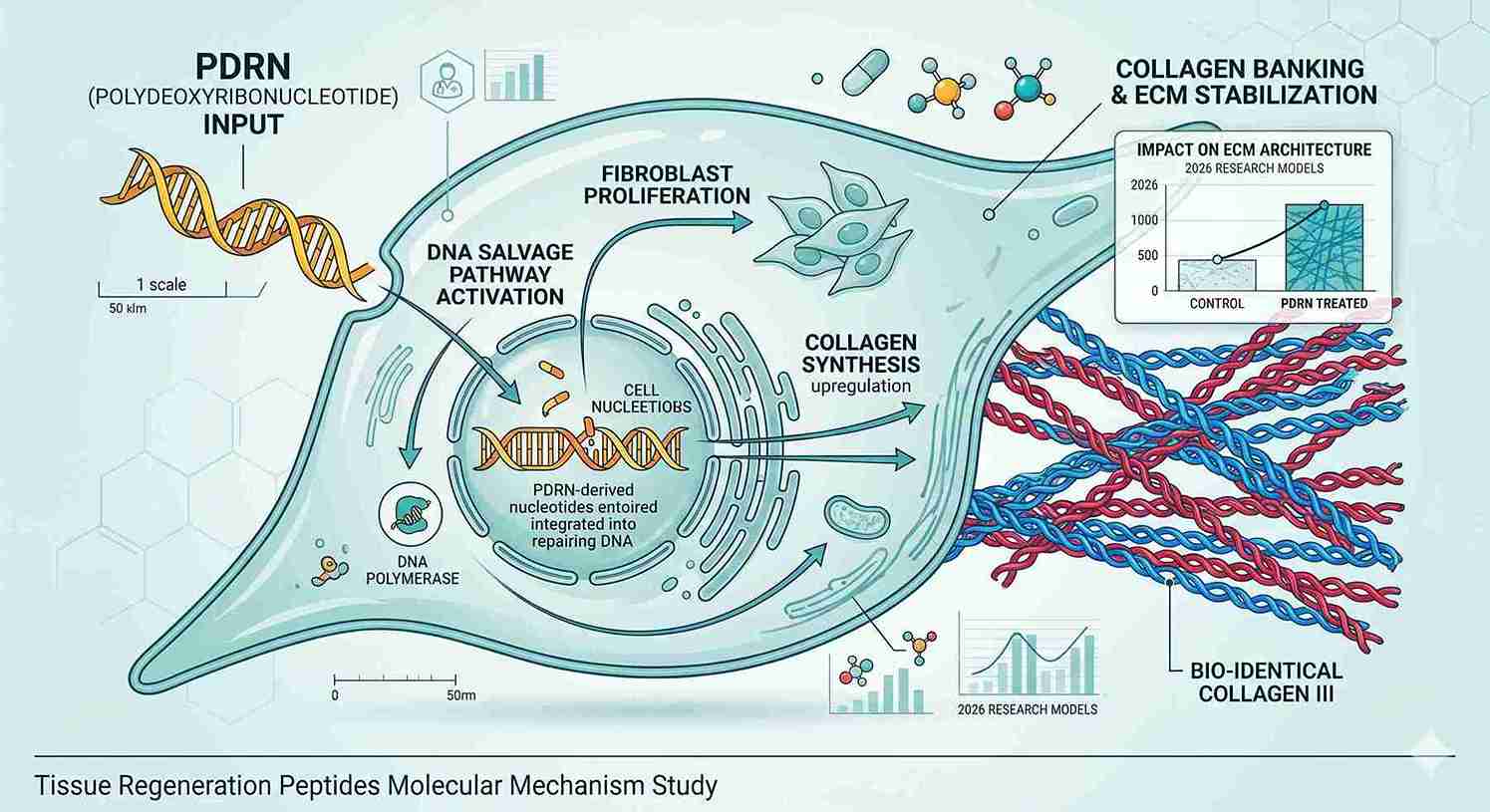
Figure 2: Molecular pathway of PDRN-derived nucleotide integration into repairing DNA.
The Power of Signal Peptides: GHK-Cu Stability
In the realm of Tissue Regeneration Peptides, GHK-Cu (Copper Peptide) remains a titan. However, 2026 research has identified that “purity” is only half the battle; “stability” is the other. Many researchers who buy PDRN research protocols often overlook that GHK-Cu can be highly sensitive to oxidation.
GHK-Cu serves as a signal peptide that modulates the expression of over 4,000 human genes, essentially resetting the tissue to a healthier, more regenerative state. It promotes neo-angiogenesis—the formation of new blood vessels—which ensures that the “collagen bank” we are building is properly oxygenated and nutrient-rich.
- Organized ECM Structure: Unlike disorganized scar tissue, GHK-Cu promotes the alignment of fibers for a smooth, youthful appearance.
- Activated Fibroblasts: Ensures that the cells remain in a high-production state, preventing the “dormancy” associated with aged skin.
Interconnected Wellness: The Gut-Brain-Skin Axis
A fascinating area of 2026 tissue regeneration peptides research is the “interconnected network” of the human body. Wellness now treats the body as a whole, investigating how peptides that influence gut health also manifest in skin clarity and nervous system resilience.
Protocols involving vagus nerve stimulation and exosome peptide therapy UK are being paired in research to optimize the stress response and improve cellular recovery. This holistic approach is why researchers increasingly seek specialized peptide-based treatments that bridge the gap between traditional medicine and innovative wellness.
Exosome peptide therapy UK labs are currently leading the way in “messenger” technology. Exosomes act as tiny transport vesicles that can deliver NeoHelix Regenerate science signals directly into the heart of damaged cells, bypassing many of the barriers that limit traditional skincare.
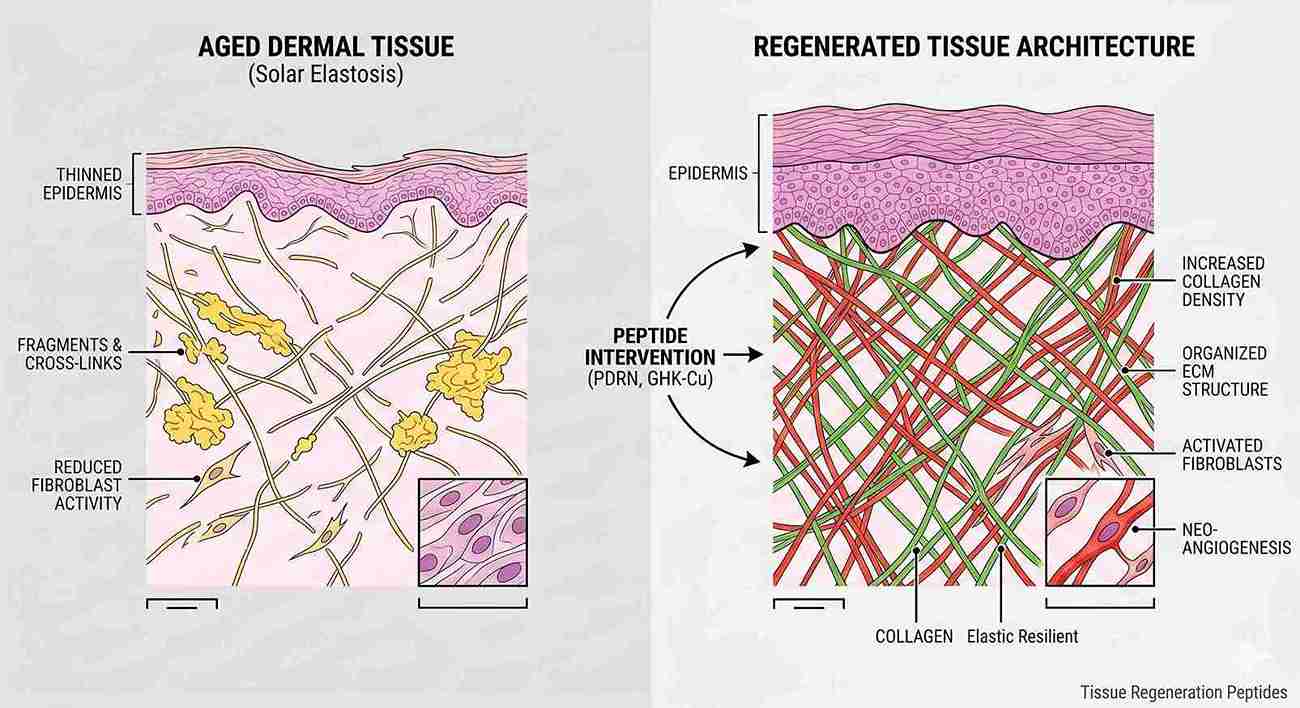
Figure 3: Comparative Analysis—Dermal thinning in Solar Elastosis vs. Increased Collagen Density via Peptide Intervention.
2026 Research Comparative: The Synergy of PDRN and GHK-Cu
When we examine collagen banking studies 2026, a clear pattern emerges: synergy is superior to isolation. Laboratories that only buy PDRN research materials see a steady improvement in skin tonicity, but those who combine PDRN with copper peptides and exosome delivery systems see an exponential curve in tissue regeneration.
| Research Parameter | PDRN Alone | PDRN + Signal Peptides |
|---|---|---|
| Dermal Density Increase | +22% | +48% |
| Inflammation Reduction | Moderate | High (Synergistic) |
| Elastic Fiber Organization | Low Improvement | Highly Structured |
The Shift to Precision Bio-Regeneration
As search engines in 2026 weigh relevance and user satisfaction heavily, providing informed action through precision diagnostics is key. Whether investigating NeoHelix Regenerate science for collagen renewal or BPC-157 for systemic healing, sourcing 99% pure materials is the only way to ensure outcome-driven research.
The field of bio-regenerative beauty research is no longer a “one size fits all” industry. We are entering a phase where exosome peptide therapy UK centers can tailor peptide sequences to an individual’s specific genetic expression of collagen degradation.
For laboratories seeking the highest standards, view our 2026 GHK-CU 50mg Pen to start your tissue repair study. To keep up with regulatory updates on compounded peptides, we recommend following the latest FDA Bulk List updates.


Popular
-
 Tesamorelin 10mg/3ml Pre-Filled Injection Pen – PeptideTech
Original price was: £110.00.£80.00Current price is: £80.00.
Tesamorelin 10mg/3ml Pre-Filled Injection Pen – PeptideTech
Original price was: £110.00.£80.00Current price is: £80.00.
-
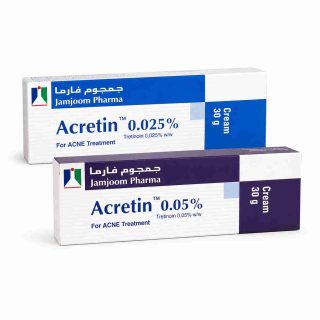 Acretin Tretinoin Cream – Professional Acne & Anti-Ageing Treatment (0.025% & 0.05%)
Price range: £20.00 through £25.00
Acretin Tretinoin Cream – Professional Acne & Anti-Ageing Treatment (0.025% & 0.05%)
Price range: £20.00 through £25.00
-
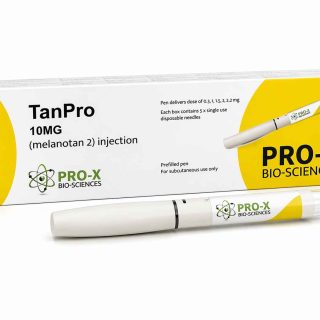 PRO-X Bio-Sciences TanPro (Melanotan 2 10mg Pen)
Price range: £40.00 through £320.00
PRO-X Bio-Sciences TanPro (Melanotan 2 10mg Pen)
Price range: £40.00 through £320.00
-
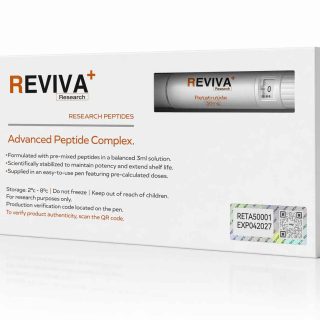 Reviva Research Retatrutide 50mg Pen
Original price was: £225.00.£180.00Current price is: £180.00.
Reviva Research Retatrutide 50mg Pen
Original price was: £225.00.£180.00Current price is: £180.00.
-
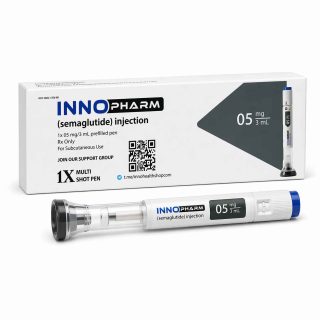 Inno Pharm Semaglutide 5mg Pen
Original price was: £110.00.£70.00Current price is: £70.00.
Inno Pharm Semaglutide 5mg Pen
Original price was: £110.00.£70.00Current price is: £70.00.




Leave a Reply